
Good Bookkeeping Makes Tax Season Easier
Author:
Austin
Date Posted:
April 28, 2025
Tax season doesn’t have to be stressful. With solid bookkeeping practices throughout the year, you can transform what many business owners dread into a straightforward process that saves time, money, and countless headaches.
Good bookkeeping creates a clear financial trail that makes tax preparation simpler and faster. When your transactions are properly categorized and your records are complete, you’ll spend less time searching for missing information and more time focusing on your business.
The Foundation of Stress-Free Tax Filing
Good bookkeeping practices establish a solid foundation for CRA compliance. By maintaining accurate records year-round, you build a reliable financial history that serves multiple purposes. Not only does it make tax preparation more efficient, but it also provides valuable insights into your business performance.
When tax season arrives, organized records allow you to reduce errors on tax returns, identify all possible small business deductions, file on time without extensions, and support your tax positions if questioned. Accurate tracking minimizes the risk of mistakes that could trigger penalties or audits. Many business owners overpay taxes simply because they lack documentation for legitimate expenses, but proper bookkeeping ensures you capture all deductible costs. With organized records, last-minute scrambling is eliminated, allowing you to file on time and receive potential refunds without delay.
Practical Bookkeeping Habits That Pay Off
Implementing good bookkeeping practices doesn’t require complex systems. Several fundamental habits make a significant difference in your tax preparation experience.
Separate business and personal finances by maintaining distinct business accounts and credit cards for business transactions. This separation creates a clean record of business activity and strengthens the legitimacy of business deductions.
Record transactions promptly by setting aside time weekly (if not daily) to enter receipts, invoices, and other financial transactions into your system. The longer you wait, the more details you’ll forget and the more likely documents will be misplaced.
Categorize expenses accurately according to CRA guidelines, such as GST/HST categories. This organization simplifies tax preparation and helps identify potential deductions. Monthly reconciliation of your accounts against bank and credit card statements catches errors early and prevents small discrepancies from becoming major problems.
Track receipts digitally since paper receipts fade and get lost. Use a scanner, smartphone app, or accounting software to capture and store digital copies of receipts and invoices. Cash transactions require special attention—create a system for recording cash expenses and income immediately.
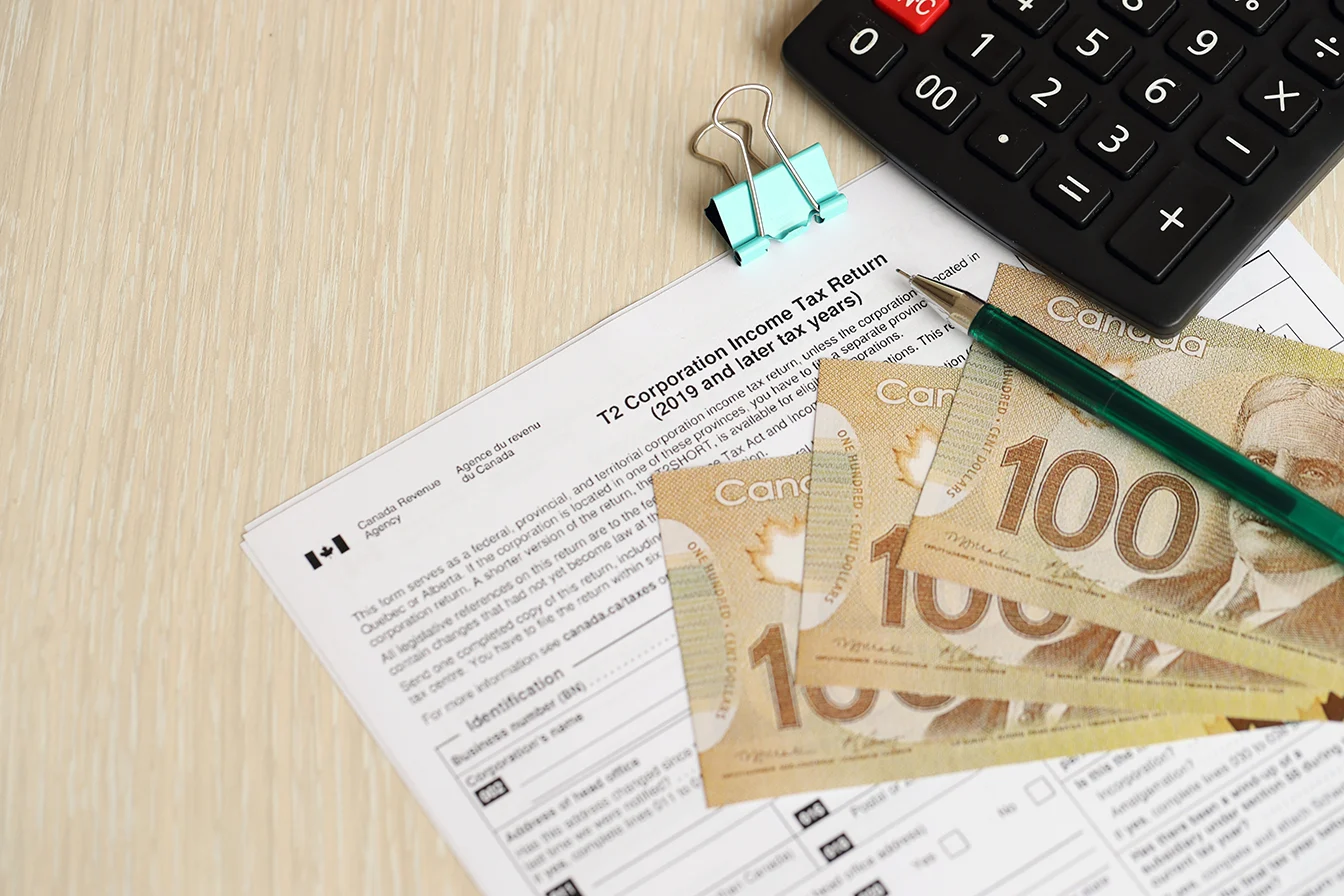
Technology Makes Bookkeeping Easier
Modern technology has simplified bookkeeping considerably. While spreadsheets work for some small businesses, dedicated accounting software offers significant advantages through automatic bank feeds, built-in categorization features, cloud accessibility, tax report generation, and integration with tax filing systems.
Direct connections to your financial accounts eliminate manual data entry and reduce errors. Many programs learn how to categorize transactions over time, further reducing your workload. Cloud-based solutions let you access your books from anywhere, making it convenient to stay on top of finances. When tax time arrives, you can generate tax-specific reports with the click of a button, and many accounting programs connect directly with CRA-certified software, streamlining the filing process.
Professional Help: When and Why to Consider It
If bookkeeping isn’t your strength or if your business has complex financial transactions, consider hiring a professional bookkeeper. The cost is typically offset by time savings, tax benefits, error reduction, and valuable financial insights.
Professional assistance allows you to focus on running your business rather than managing financial paperwork. Experienced bookkeepers often identify deductions or strategies you might miss and help prevent costly mistakes. Their analysis of your books can reveal business opportunities and challenges you might otherwise overlook.
At Dad’s Virtual Bookkeeping, we help small businesses, trades, medical clinics, and dental practices keep their finances on track year-round. Many businesses find that monthly or quarterly bookkeeping assistance is sufficient, while others benefit from more regular support.
Year-End Preparation
With good bookkeeping practices in place throughout the year, your year-end tax preparation becomes much simpler. In the weeks before tax season, review your books to ensure all transactions are properly categorized and accounts are reconciled. Gather any additional documentation needed for tax preparation and verify you have correct information for issuing any required T4A or T5018 forms to contractors or subcontractors. Finally, schedule time with your tax preparer early when they have more availability.
Ready to simplify tax season?
Book a free consultation with Dad’s Virtual Bookkeeping today and see how easy it can be!